
Moving to Gatlinburg TN: Essential Tips for 2026
Moving to Gatlinburg TN in 2026 appeals to many households drawn to mountain scenery and tourism-driven opportunity. According to U.S. Census Bureau QuickFacts, Gatlinburg’s permanent population sits around 3,800 residents, while seasonal visitors number in the millions. That contrast shapes housing, traffic, and employment in distinct ways. Newcomers balancing everyday life with peak travel seasons often prioritize school access, healthcare, and reliable infrastructure. Understanding key neighborhoods along Parkway, Baskins Creek Road, and Ski Mountain Road helps align expectations with Gatlinburg’s unique blend of small-town and destination-city dynamics.
How Does Gatlinburg’s Location and Layout Affect Daily Life?
Gatlinburg’s compact core centers on Parkway, where attractions like Ripley’s Aquarium of the Smokies, Anakeesta, and The Village Shops cluster within a walkable strip. According to Walk Score, the city posts a walk score around 45, meaning some errands can be completed on foot, especially near Historic Nature Trail and River Road. Steeper residential streets on Ski Mountain Road and Chalet Village North trade walkability for sweeping views of Mount Le Conte and the Little Pigeon River valley.
Commuting patterns depend heavily on proximity to Parkway and U.S. Route 441. During peak leaf season and summer, travel times between downtown Gatlinburg and Pigeon Forge, roughly 7 miles apart, can double. According to the City of Gatlinburg Traffic & Parking resources, multiple city lots and garages line Historic Nature Trail and Reagan Drive, helping residents and employees avoid the most congested sections of Parkway during major events and holiday weekends.
Great Smoky Mountains National Park begins just beyond the south end of Parkway at the Sugarlands Visitor Center. According to National Park Service data, the park hosted over 12.9 million recreational visits in 2023. That volume brings steady business to cabins along Cliff Branch Road and condos near Cherokee Orchard Road, but also increases traffic noise and parking pressure near park gateways, especially along the Roaring Fork Motor Nature Trail entrance.
On late autumn evenings along River Road, the soft roar of the Little Pigeon River mingles with distant music drifting from Parkway restaurants near Calhoun’s Gatlinburg. The cool air often carries the smoky aroma of grilled steaks and wood-fired pizza from places around The Village Shops. Streetlights reflect off damp pavement after a mountain shower, and headlights trace slow arcs up toward Chalet Village, giving the town an intimate, lantern-lit atmosphere despite the steady hum of visitors.
What Should New Residents Know About Housing and Neighborhood Choices?
Housing in Gatlinburg ranges from rustic cabins in Chalet Village to condos close to Parkway and single-family homes off East Parkway near Mills Park. According to Redfin, entry-level homes commonly close between $350,000 and $550,000 as of early 2026, with prices shifting month to month. Properties zoned for short-term rentals along Ski Mountain Road and Wiley Oakley Drive often command premiums, reflecting strong vacation demand and limited developable land around the national park boundary.
Condominium options near Baskins Creek Road, Cherokee Orchard Road, and Historic Nature Trail allow residents to remain close to services while avoiding some of the highest cabin prices. Based on listings tracked by Zillow, many one- or two-bedroom units in central Gatlinburg list between $250,000 and $400,000, depending on amenities such as pools, parking garages, and mountain views. Some complexes near the Gatlinburg Convention Center lean toward second-home ownership, while others attract full-time residents seeking shorter commutes.
Rental housing remains influenced by tourism. According to market snapshots compiled by Apartments.com, long-term apartment rents in the area frequently range from about $1,200 to $1,800 per month for typical one- and two-bedroom units, with higher prices in buildings close to Parkway. Cabins marketed for monthly or seasonal leases near Glades Road in the Arts and Crafts Community may run higher, especially for properties with hot tubs, game rooms, or panoramic Smokies views.
Property taxes in Sevier County remain comparatively moderate. According to the Sevier County Trustee, county tax rates have often fallen in the approximate range of $1.60 to $2.00 per $100 of assessed value over recent years, although exact figures change with reappraisals. For many full-time residents, that relatively low rate helps offset elevated home prices driven by vacation rental demand, particularly in view-heavy pockets like Ski Mountain and Chalet Village North.
How Do Schools and Family Amenities Shape Neighborhood Decisions?
Families moving to Gatlinburg TN frequently evaluate the Sevier County school system. Gatlinburg-Pittman High School, located off Proffitt Road, serves much of the area. According to GreatSchools, the high school currently holds a rating near 8/10, reflecting solid test performance and college readiness indicators. Younger students often attend Pi Beta Phi Elementary School on School House Hill, near Route 321, placing many households along East Parkway and Mills Park Road within relatively short drive times.
Mills Park and Mynatt Park offer playgrounds, ball fields, and picnic shelters that complement school facilities. The Gatlinburg Community Center on Proffitt Road houses an indoor pool, gym, and bowling alley, giving children and teens structured activities in all seasons. According to programming notes from the Gatlinburg Parks & Recreation Department, seasonal leagues and classes often reach capacity quickly, particularly in summer and early fall, signaling strong demand for local recreation rather than solely park-based excursions.
On a clear Saturday at Mills Park, the crisp scent of cut grass mixes with the sound of aluminum bats striking baseballs from nearby fields. Children’s laughter echoes across the jogging path that circles past Pi Beta Phi Elementary School, while grills send up wisps of charcoal smoke near shaded picnic tables. The blue outline of Mount Harrison rises beyond the treeline, and the distant rush of traffic on East Parkway remains muted, allowing conversations and birdsong to dominate the afternoon.
Proximity to healthcare also influences family decisions. LeConte Medical Center in nearby Sevierville provides emergency and maternity services roughly 12 miles from central Gatlinburg. According to LeConte Medical Center, the facility includes a 79-bed hospital and multiple specialty clinics, helping Gatlinburg households manage routine and urgent needs without longer drives to Knoxville. Many residents favor routes along Parkway and Veterans Boulevard to balance travel time with traffic patterns during peak tourist dates.
What Should Newcomers Expect from Employment and Cost of Living?
Tourism drives much of Gatlinburg’s employment landscape. According to the Gatlinburg Convention & Visitors Bureau, millions of annual visitors support hundreds of hospitality jobs in hotels, restaurants, and attractions along Parkway and River Road. Seasonal hiring at Ober Mountain, Anakeesta, and Ripley’s Aquarium of the Smokies can spike before summer and winter holidays. Many residents also commute to Pigeon Forge or Sevierville, adding options in retail, entertainment, and light industrial roles within a 15- to 25-minute drive outside heavy traffic windows.
Overall living costs combine moderate taxes with housing shaped by high demand. Based on estimates from BestPlaces, Gatlinburg’s cost-of-living index generally hovers close to the national average, with housing indexing above 100 and utilities slightly below. Groceries and healthcare frequently sit within about 5% to 10% of U.S. medians. That balance attracts both retirees and remote workers whose incomes originate outside the local tourism cycle but who value proximity to Great Smoky Mountains National Park.
Short-term rental regulations and tourism cycles can influence income stability. According to policy summaries from the City of Gatlinburg Building & Zoning Department, permits and inspections govern overnight rentals within city limits, particularly in neighborhoods like Chalet Village, Ski Mountain, and the Arts and Crafts Community. Owners balancing personal use with guest bookings often track average nightly rates between about $150 and $350, depending on season, size, and amenities such as hot tubs or proximity to trolley stops.
Commuter costs vary depending on vehicle use and parking. Many employees in central Gatlinburg rely on city or employer-provided lots near Reagan Drive or Historic Nature Trail, avoiding some daily parking fees posted along Parkway. According to the Gatlinburg Parking overview, city garage rates typically range from about $10 to $20 per day during busy periods. Households living within walking distance of work often reduce fuel and parking expenses, offsetting higher downtown housing costs.
How Can Residents Navigate Seasons, Services, and Long-Term Planning?
Seasonality defines many aspects of Gatlinburg life. According to visitor statistics from the National Park Service, Great Smoky Mountains National Park often records peak visitation in June, July, and October, with monthly counts surpassing 1 million. Those waves affect grocery lines at stores along East Parkway, wait times at restaurants near The Village Shops, and travel along U.S. Route 441. Residents often adjust errands to mornings or weekdays outside major events hosted at the Gatlinburg Convention Center.
Essential services remain concentrated along Parkway and East Parkway. The Gatlinburg Post Office on Airport Road, Sevier County Utility District offices, and multiple banks cluster within roughly a 2-mile span from the city limits near Glades Road to the entrance of Great Smoky Mountains National Park. According to the City of Gatlinburg, public transit options include the Gatlinburg Trolley system, with numerous stops along Parkway, Airport Road, and River Road, helping reduce vehicle use during busy weekends and festivals.
Long-term planning often includes evaluating insurance and resiliency. After regional wildfire events in 2016, insurers tightened underwriting standards for hillside cabins and homes near forested slopes above Ski Mountain Road and Wiley Oakley Drive. Based on industry commentary summarized by the Tennessee Department of Commerce & Insurance, some policy premiums for higher-risk properties increased in ranges of 10% to 25% over several renewal cycles. Prospective buyers frequently coordinate inspections and mitigation measures, such as defensible space around cabins and updated roofing materials.
Quality-of-life planning also extends to recreation beyond the park. The Gatlinburg Community Center, Rocky Top Sports World on Proffitt Road, and nearby Dollywood in Pigeon Forge provide year-round diversions, reducing reliance on peak-season attractions alone. According to facility calendars maintained by Rocky Top Sports World, youth tournaments can draw hundreds of participants on certain weekends, supporting local lodging and dining across East Parkway, Glades Road, and adjacent residential pockets while reinforcing Gatlinburg’s role as more than a gateway to hiking trails.
The 3,800-resident figure cited at the start of this guide reflects a community that lives alongside, rather than beneath, massive visitor numbers. That population scale underscores the importance of residential planning amid tourism-driven infrastructure. The City of Gatlinburg website remains a central resource for tracking zoning updates, parking changes, and public safety information. Prospective and recent arrivals who monitor listing data closely and register alerts by early spring, then schedule in-person tours within 48 hours of promising new options, before the June and July visitor surge, consistently secure better locations and contract terms than households waiting for late-summer availability.
FROM OUR BLOG

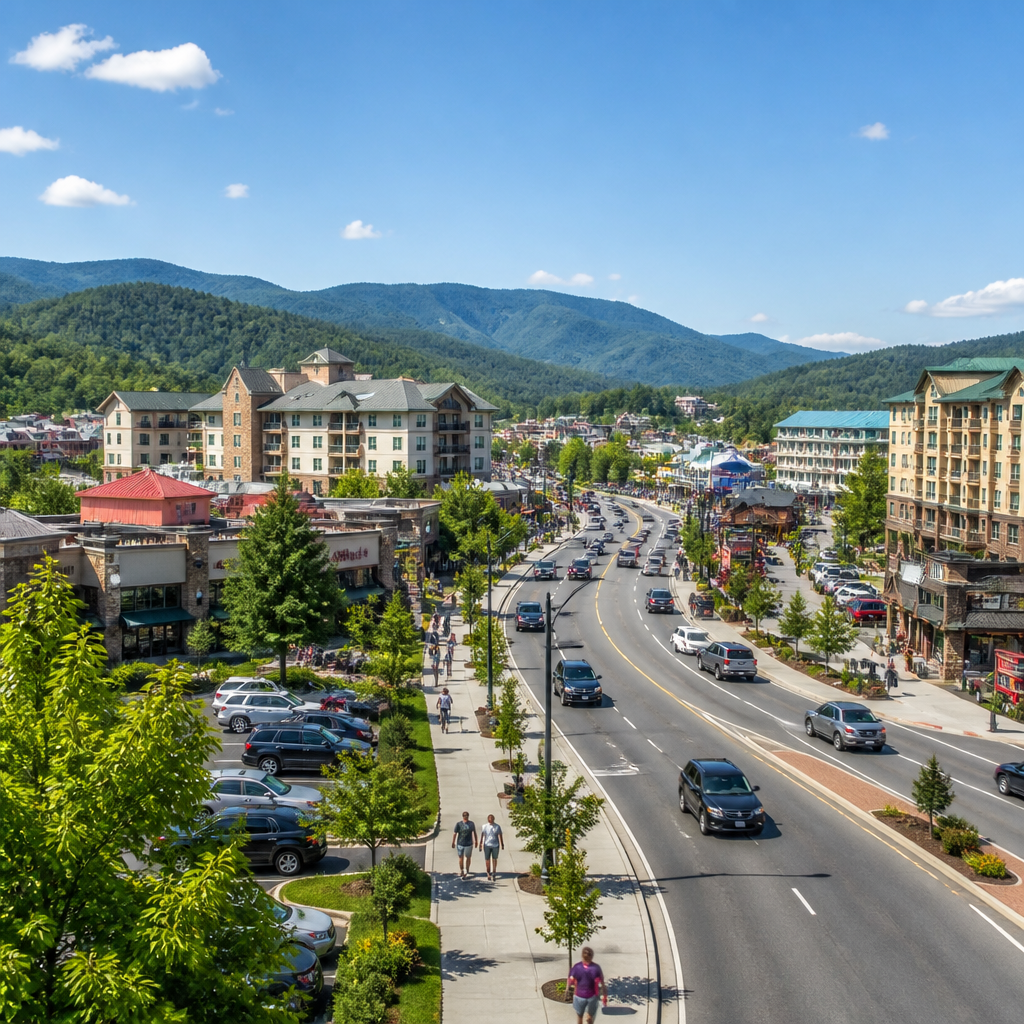
Investing in Pigeon Forge: A Guide to Commercial Properties in 2026
Investing in Pigeon Forge: A Guide to Commercial Properties in 2026 Pigeon Forge commercial properties sit at the intersection of tourism demand and limited developable land. According to Tennessee Department of Tourist Development research, Great Smoky Mountains National Park attracted roughly 12.9
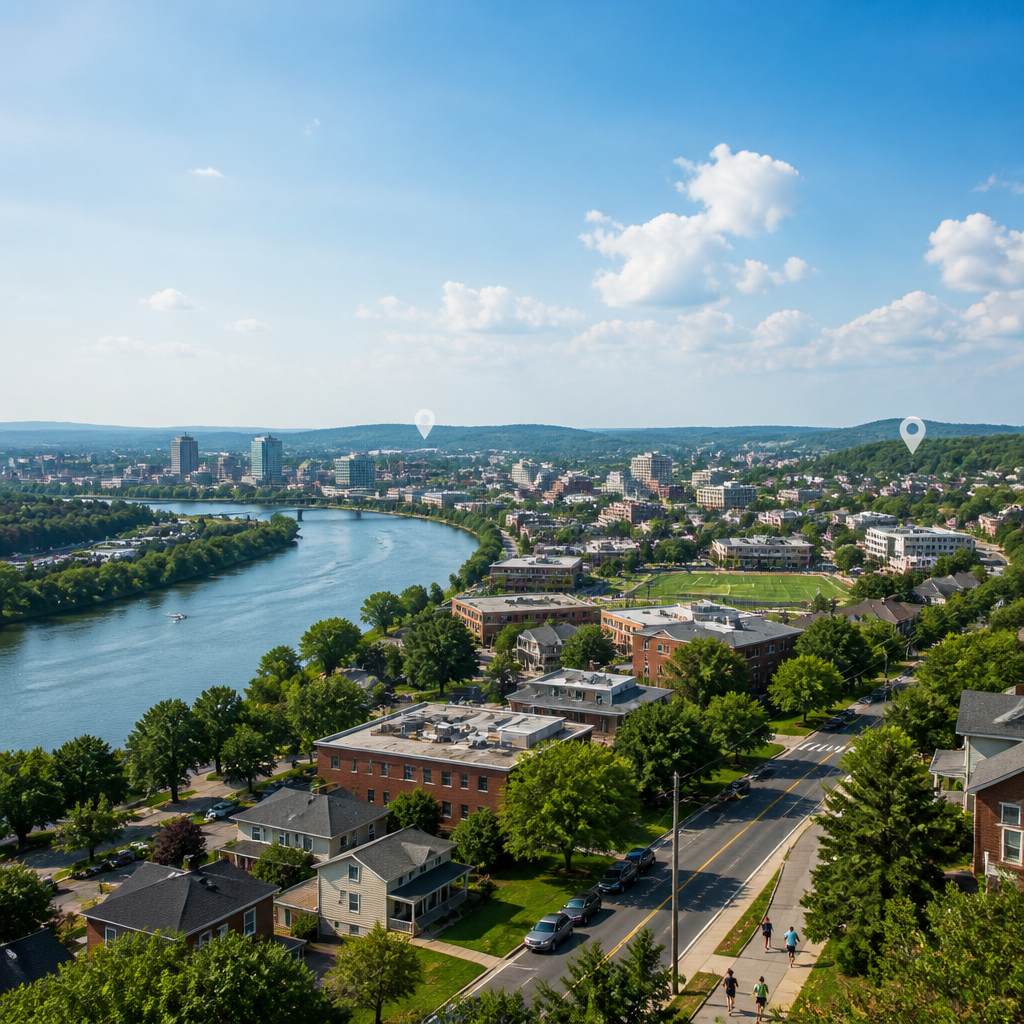
Knoxville TN Neighborhood Guide: Exploring the Best Areas in 2026
Knoxville TN Neighborhood Guide: Exploring the Best Areas in 2026 Knoxville continues to evolve rapidly, balancing historic charm with fresh development across its neighborhoods. According to U.S. Census QuickFacts, Knoxville’s population sits near 193,000 residents as of recent counts, with steady