Knoxville TN Neighborhood Guide: Exploring the Best Areas in 2026
Knoxville continues to evolve rapidly, balancing historic charm with fresh development across its neighborhoods. According to U.S. Census QuickFacts, Knoxville’s population sits near 193,000 residents as of recent counts, with steady growth shaping housing demand into 2026. From Market Square nightlife to the quiet streets of Sequoyah Hills, distinct micro-markets offer varied price points and lifestyles. This Knoxville TN neighborhood guide highlights key corridors, schools, parks, and commuting patterns that matter most for long-term livability and investment resilience.
What Defines Downtown Knoxville and the Old City in 2026?
Downtown Knoxville blends historic architecture along Gay Street with renovated lofts above restaurants and galleries. The Old City’s brick warehouses near Jackson Avenue now house music venues, coffee shops, and studios. According to Visit Knoxville, the downtown district hosts more than 40 dining and nightlife spots within a compact radius, creating strong appeal for residents seeking car-light living. Proximity to the Tennessee River, the Knoxville Civic Auditorium and Coliseum, and World’s Fair Park keeps the area active day and night.
Walkability anchors downtown’s appeal. Data from Walk Score places central Knoxville’s Walk Score in the high 70s to low 80s, meaning most errands can be completed on foot. Residents along Church Avenue or State Street frequently rely on scooters or bicycles instead of daily car use. Neyland Drive and James White Parkway still provide quick access to interstate routes for regional commutes toward Oak Ridge or Sevierville.
Condominiums around Market Square, the Old City, and along Summit Hill Drive range widely in size and finish. Listings on Realtor.com show many downtown condos priced between $280,000 and $450,000 as of early 2026, with premium riverfront units extending higher. Inventory often counts fewer than 50 active downtown units at any time, which can compress days on market into the 20–30 range for updated spaces with parking or skyline views.
Culture-focused amenities strengthen long-term momentum. Residents walk to the Tennessee Theatre, Bijou Theatre, and Knoxville Museum of Art in 10–15 minutes from most downtown addresses. The University of Tennessee campus along Cumberland Avenue sits roughly one mile away, keeping sidewalks filled during football weekends at Neyland Stadium. Seasonal events at Market Square, including concerts and farmers markets, create consistent foot traffic that benefits local businesses and supports downtown property values.
How Does Sequoyah Hills Compare with Bearden and West Hills?
Sequoyah Hills curves gracefully along Cherokee Boulevard and the Tennessee River, known for mature trees and early-20th-century homes. The Sequoyah Hills Greenway and waterfront parks attract runners, cyclists, and dog walkers throughout the week. According to City of Knoxville Parks & Recreation, the connected greenway network in this corridor stretches for several miles, linking neighborhood streets to downtown and to Lakeshore Park. Architectural diversity ranges from Tudor and Colonial Revival homes to newer custom builds on deeper lots.
Bearden lies just west along Kingston Pike, mixing older ranch homes with townhomes and mid-rise condos. Retail centers such as Western Plaza and the strip of restaurants near Homberg Drive keep traffic steady along this corridor. GreatSchools reports Bearden High School with a rating in the 8/10 range, while nearby Rocky Hill Elementary and West High School score in the mid-to-upper range as well, based on GreatSchools data through 2026. These ratings contribute to sustained buyer interest and comparatively low vacancy.
Evening walks along Cherokee Boulevard in Sequoyah Hills often bring the soft rustle of leaves overhead and the faint splash of oars from rowers on the river. Streetlights cast a warm glow on the stone walls near Talahi Park, while the scent of fresh-cut grass drifts from manicured lawns. Occasional church bells from nearby Sacred Heart Cathedral carry across Kingston Pike, adding a gentle soundtrack that contrasts with the distant hum of traffic near West Town Mall.
Detached homes in Sequoyah Hills and Bearden frequently command premiums versus broader West Knoxville. Listings tracked on Realtor.com indicate many updated three- to four-bedroom properties trading between $450,000 and $800,000, depending on proximity to the river or to Kingston Pike retail. West Hills, just north of the interstate, offers more mid-century homes at slightly lower entry points, often in the $325,000 to $500,000 band, appealing to buyers prioritizing school access and highway connectivity.
What Characterizes North Knoxville, Fountain City, and Halls?
North Knoxville’s corridor along North Broadway and Central Street has shifted notably, with renovated cottages and bungalows attracting residents seeking character homes. Neighborhoods such as Old North Knoxville and Fourth and Gill showcase colorful exteriors and deep front porches. According to Visit Knoxville, the area’s brewery and restaurant cluster around Central Filling Station and Happy Holler draws steady visitors, keeping evenings active without downtown price points. Tree-lined streets and alleyway access give many blocks a classic, early-1900s feel.
Farther north, Fountain City centers on Fountain City Park, Duck Pond, and the commercial stretch along Broadway. GreatSchools ratings in this corridor show schools such as Gresham Middle and Central High balancing academics and extracurricular offerings, based on GreatSchools Knoxville data. Halls Crossroads continues the urban-to-suburban transition, with newer subdivisions along Emory Road and Maynardville Pike. Residents benefit from shorter commute times of roughly 20–25 minutes into downtown via Broadway, according to American Community Survey estimates from Census ACS.
Housing stock in North Knoxville ranges from smaller cottages under $275,000 to renovated four-bedroom homes approaching $500,000, depending on finish level and lot size. Fountain City and Halls add more split-level and brick ranch options in the $300,000 to $425,000 band, based on current Knoxville-area ranges tracked by Knoxville Area Association of Realtors market summaries. Many blocks offer larger backyards than similarly priced homes closer to Gay Street, appealing to residents prioritizing gardening, workshops, or play space.
Access to green space remains a defining strength. Fountain City Park, Victor Ashe Park near Pleasant Ridge Road, and Sharp’s Ridge Park each sit within a short drive of North Knoxville neighborhoods. Trail networks, dog parks, and overlooks provide daily recreation options without crossing the river or driving to the Smokies. The blend of historic charm, established schools, and maturing retail corridors continues to support demand across North Knoxville, Fountain City, and Halls into 2026.
Why Is South Knoxville and the Urban Wilderness So Sought After?
South Knoxville has transformed from a quieter residential area into a regional destination for outdoor recreation. Ijams Nature Center alone spans more than 300 acres of preserved land, with trails, quarries, and climbing areas, according to Ijams Nature Center. The Knoxville Urban Wilderness connects Ijams with Mead’s Quarry, Baker Creek Preserve, and Marie Myers Park, offering over 50 miles of trails within minutes of downtown. Chapman Highway and Sevierville Pike anchor commercial activity, while side streets hold an eclectic mix of bungalows and newer infill homes.
On a clear Saturday at Baker Creek Preserve, the scent of pine needles and damp earth hangs in the air as mountain bikes whisper over packed dirt. Sunlight filters through the canopy onto the pump track near Redbud Drive, while distant shouts ring out from riders dropping into the Devil’s Racetrack trail. Food trucks parked near Sevier Avenue release the aroma of smoked barbecue and roasted coffee, giving the South Waterfront a festival-like atmosphere beside the river.
Price points in South Knoxville have climbed as interest in outdoor-focused living grows. Market data compiled by Knoxville Area Association of Realtors shows steady appreciation across South Waterfront condos and nearby single-family homes, with many updated properties now listing between $325,000 and $550,000. Renovated cottages near Sevier Avenue or Island Home Avenue can command additional premiums, especially those within walking distance of breweries, cafes, and the Suttree Landing Park riverfront.
Connectivity continues to improve. The Henley Bridge and Gay Street Bridge place downtown within a five- to ten-minute drive for most South Knoxville addresses. Greenways extending along James White Parkway and the South Waterfront make cycling commutes increasingly practical. As the Urban Wilderness trail system expands and additional mixed-use projects rise near Sevier Avenue, demand for nearby housing is expected to deepen, especially among remote workers and outdoor enthusiasts.
How Does West Knoxville Balance Shopping, Schools, and Commuting?
West Knoxville stretches along Kingston Pike and Interstate 40, encompassing neighborhoods around West Town Mall, Cedar Bluff, and the Turkey Creek commercial district. Retail density remains one of the highest in East Tennessee, with hundreds of stores and restaurants clustered within a relatively compact corridor. According to Visit Knoxville, the Turkey Creek area alone covers more than 300 acres of mixed-use development, drawing visitors from surrounding counties. Apartment communities, townhomes, and subdivisions radiate outward from these commercial anchors.
Schools significantly influence demand. GreatSchools ratings place Farragut High School and Hardin Valley Academy in the upper range for academics and college readiness among Knox County schools, based on data from GreatSchools. Elementary options such as West Hills Elementary and A.L. Lotts Elementary further enhance the appeal of nearby subdivisions. This combination of strong schools and shopping access keeps inventory tight in master-planned neighborhoods along Grigsby Chapel Road, Choto Road, and Hardin Valley Road.
Commuting times from West Knoxville into downtown typically range from 15 to 25 minutes, depending on proximity to Pellissippi Parkway and traffic along Interstate 40, according to regional travel-time analyses from Census ACS. Many residents work at the University of Tennessee Medical Center, Oak Ridge National Laboratory, or corporate campuses along Lovell Road and Technology Drive. The mixture of employment centers, shopping destinations, and newer housing stock gives West Knoxville some of the region’s broadest lifestyle options.
Home prices span a wide spectrum. Entry-level townhomes near Cedar Bluff may appear around $275,000, while larger single-family homes in Hardin Valley or Farragut can range between $500,000 and $900,000, based on current listings monitored by Realtor.com. Gated communities along Northshore Drive and near Concord Park frequently command higher figures, especially for newer construction with lake access or expanded outdoor living spaces.
What Role Do Parks, Culture, and the University Play Across Knoxville Neighborhoods?
Green space weaves through nearly every Knoxville neighborhood. Lakeshore Park along Lyons View Pike offers river views, ballfields, and walking trails, while Victor Ashe Park serves Northwest Knoxville with disc golf, dog parks, and playgrounds. According to City of Knoxville Parks & Recreation, the city manages more than 80 parks and over 100 miles of greenways. This network allows residents in areas as different as Fountain City, Sequoyah Hills, and South Knoxville to reach recreation areas within minutes.
Cultural amenities cluster downtown but influence the whole metro. The Knoxville Museum of Art at World’s Fair Park, the East Tennessee History Center on Gay Street, and festivals at the World’s Fair Park amphitheater draw visitors from every quadrant of the city. Restaurants in Market Square, North Knoxville’s Happy Holler, and Bearden’s Homberg area each cultivate distinctive atmospheres. These destinations shape traffic patterns and influence which neighborhoods feel most connected to nightlife, galleries, and live music venues.
The University of Tennessee campus functions as both an economic engine and a lifestyle anchor. Neyland Stadium seats more than 100,000 fans, and game days ripple outward through Cumberland Avenue, downtown, and even West Knoxville hotels. Student housing pressure affects rental demand in Fort Sanders, South Knoxville, and parts of North Knoxville, where duplexes and small apartment buildings line older streets. Long-term investors study enrollment trends and campus expansion plans when assessing neighborhood resilience.
Transportation infrastructure ties these elements together. Interstate 40, Interstate 75, and Pellissippi Parkway connect suburbs to downtown in 15–30 minutes under typical conditions, while local arteries such as Magnolia Avenue, Middlebrook Pike, and Broadway support crosstown movement. As Knoxville continues modest population growth and ongoing redevelopment into 2026, the interplay among parks, culture, and the university keeps demand distributed across multiple neighborhoods rather than concentrated in a single corridor.
The 193,000-resident population cited at the start of this guide reflects a city large enough to support diverse neighborhoods yet still navigable across everyday commutes. That same figure from the opening underscores the importance of understanding how demand spreads from downtown to Sequoyah Hills, North Knoxville, South Knoxville, and the western suburbs. The Knoxville Area Association of Realtors monthly market statistics provide ongoing visibility into list-price ranges, absorption rates, and inventory shifts by zip code. Buyers who monitor those reports closely and register listing alerts before the spring market surge in March, then tour shortlisted homes within 48 hours of activation, typically secure stronger positions and avoid the higher competition and pricing pressure that often arrive by late May.
FROM OUR BLOG

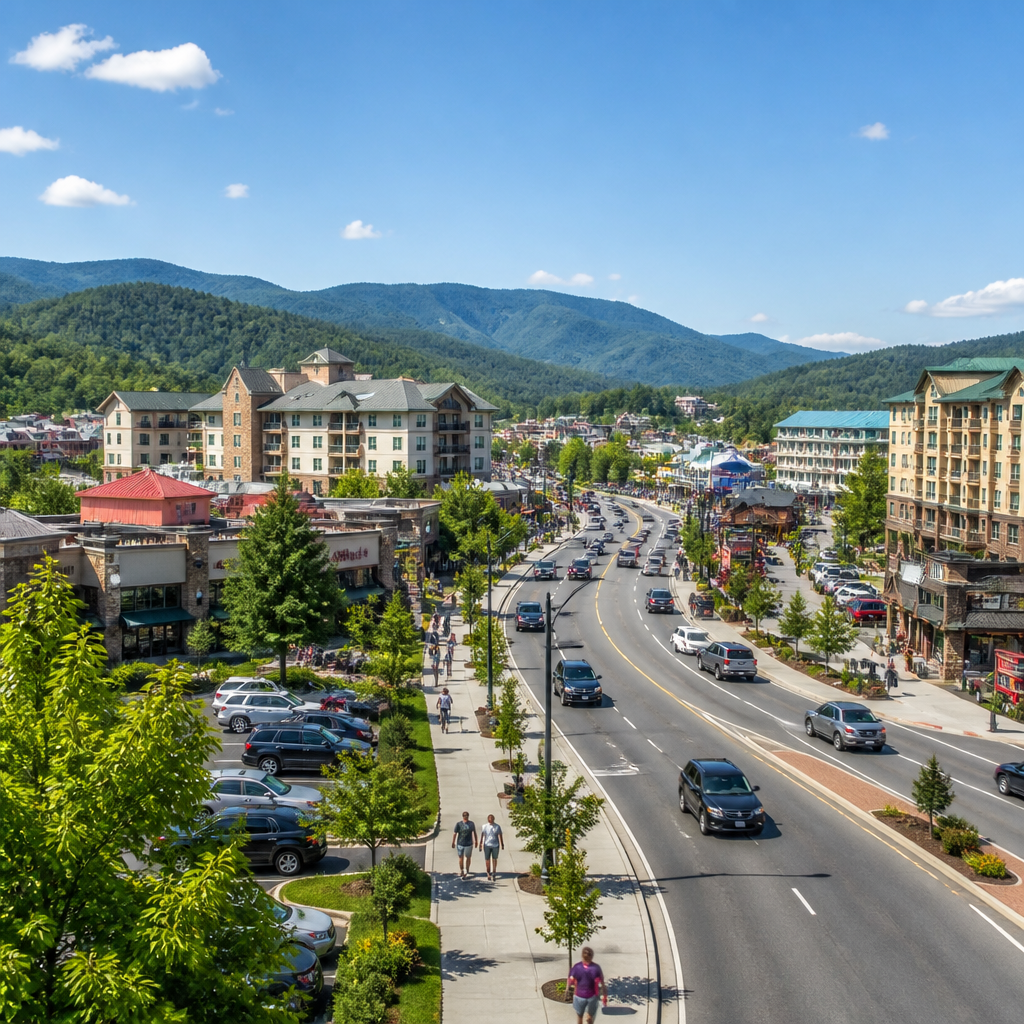
Investing in Pigeon Forge: A Guide to Commercial Properties in 2026
Investing in Pigeon Forge: A Guide to Commercial Properties in 2026 Pigeon Forge commercial properties sit at the intersection of tourism demand and limited developable land. According to Tennessee Department of Tourist Development research, Great Smoky Mountains National Park attracted roughly 12.9
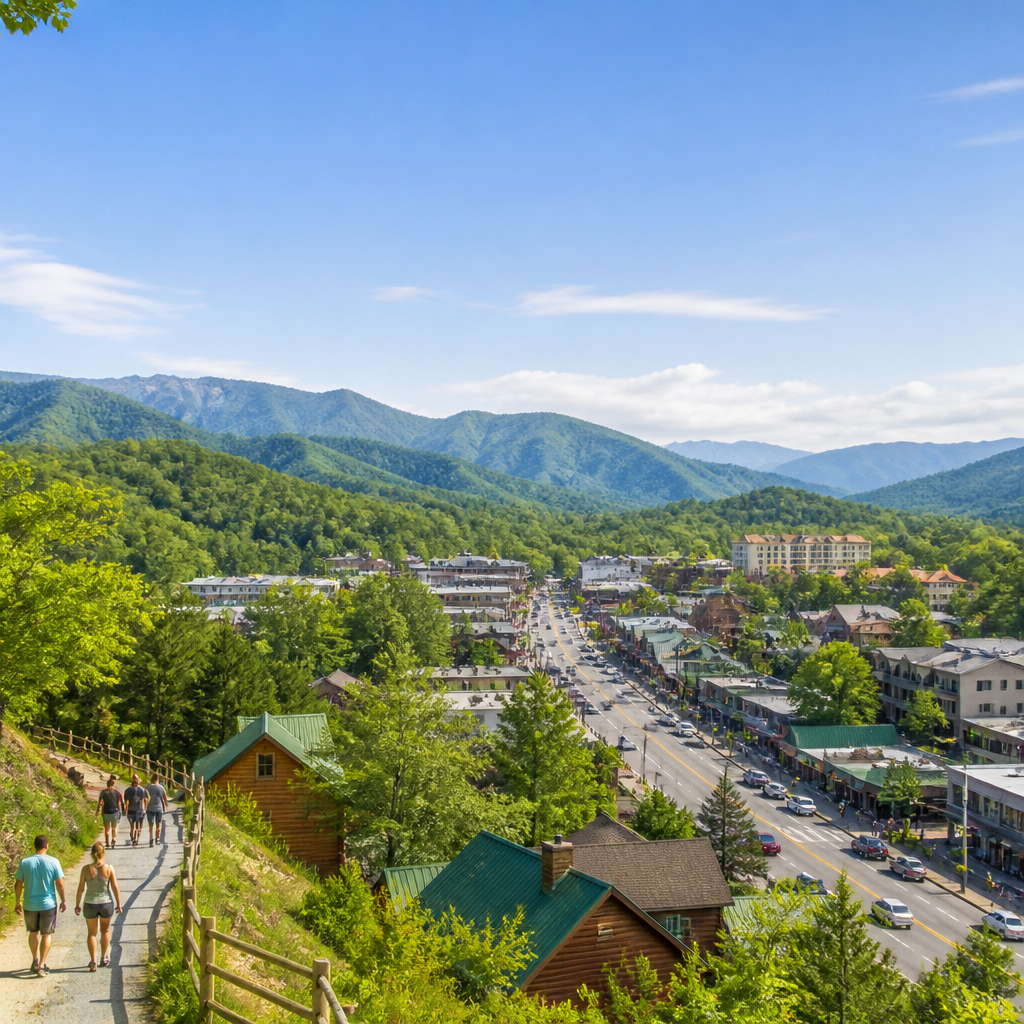
Moving to Gatlinburg TN: Essential Tips for 2026
Moving to Gatlinburg TN: Essential Tips for 2026 Moving to Gatlinburg TN in 2026 appeals to many households drawn to mountain scenery and tourism-driven opportunity. According to U.S. Census Bureau QuickFacts, Gatlinburg’s permanent population sits around 3,800 residents, while seasonal visitors num